Menu Close

Category: Sponsored Post (page 3 of 4)

[Sponsored Post] Is the Desktop Dying Out?

computers dying

This is a sponsored post written by the sponsor, Expansys. Please click here for more information on sponsored posts on 40Tech.

These days over 80% of households in the UK own at least one computer and in many homes it is the laptop computer that we will notice more often than desktop PCs. Smaller, more portable, more stylish and oh so 21st century, laptops have fast become one of the must have gadgets around the house. So does this mean the end of the desktop computer?

There are many positives and negatives with both types of computer and it largely depends what you want to do with it whether you will be better off with one or the other.

In general laptops are more expensive than desktop computers if you match the specifications exactly, so depending on your budget you should be able to get higher specification and more powerful desktop computers for the same money as bottom of the range laptops.

Desktop PCs also tend to have more cutting edge technology packed inside as it can take some time for new features to be made small enough for the laptop market, so if you tend to use your computer for lots of gaming, music creation, photo or video editing or anything else requiring high processor speeds and outstanding graphics capabilities, you may find that a desktop is more capable than a laptop.

One of the biggest advantages of a laptop is, of course, its portability. Unfortunately this is also its biggest downfall too, as millions of laptop computers are stolen every year from homes, public places and offices. Consider if you really need the computer to be portable and think about how often you will really use it outside of the home. University students often buy laptops thinking they will take them to lecture theatres with them, but in reality they never do and University halls of residence are one of the worst places for laptop theft.

Another major difference is the ability to upgrade components of the computer as your needs change or technology advances. Laptops can have their memory upgraded, the hard drive can be replaced and the CD/DVD drive can be changed, but that’s about it. This means there is little that can be done to upgrade the overall performance of a laptop, particularly in terms of gaming and graphics upgrades.

Desktop computers however, can be infinitely upgraded with as many new components as you can fit into your case. Even if you run out of space in your case you can always transfer your hard drive into a bigger one! The downside is that desktops do not hold any resale value, although if you have upgraded sound cards, graphics cards and memory you might be able to sell on these individual components to get some money back.

As the situation is currently it is unlikely that we will see the end of desktop PCs. Until there is a way to increase the longevity of laptops by enabling more plug and play upgrading, serious gamers, designers, musicians and photographers will always have a need for the highly customisable desktop computer.

[Sponsored Post] HostingObserver.com: Providing Unbiased Reviews for Optimal Hosting Solutions

hostingobserver

This is a sponsored post written by the sponsor, HostingObserver.com. Please click here for more information on sponsored posts on 40Tech.

Hostingobserver.com is a tremendous resource for anyone looking to compare the best rates for various kinds of web hosting. The site can help anyone chose the right hosting plan for their needs by comparing hosting options, pricing plans, and features across multiple providers. Hostingobserver.com helps users find the right fit for their needs, whether it may be inexpensive mail hosting, full-featured dedicated server hosting, unlimited hosting, or anything in between. The resource helps users choose between reliable options at any price point or customization level. By sifting through various available options to find quality hosts at affordable rates, the site provides a great directory with objective and unbiased comparisons. Their insights, articles, and comparisons can help anyone make the right choice for their business or personal hosting needs. Find a model that fits your needs among the following hosting solutions: Read more


[Sponsored Post] The Revolutionary We7

We7

This is a sponsored post written by the sponsor, dialtosave.  Please click here for more information on sponsored posts on 40Tech.

In the week when Google’s Android beat Blackberry and Symbian to claim the top sales spot in the US for the last quarter of 2010, the launch of its latest and groundbreaking app is sure to further boost both its kudos and sales in 2011. We7 promises to let Android users create a custom built radio station which they can listen to at any time, even off line.

This new app uses high speed caching to capture and store music on your mobile device which can be listened to later on. This has two main advantages, firstly if you are listening live and your connection is interfered with, for example whilst travelling on the tube, you don’t experience a ‘buffering’ period or any break in the music. Secondly, when the app has been connected to the internet for a while you will find a good number of tracks have downloaded to the phone which can be listened to at any time, even in the absence of any internet connection at all.

The developers at We7 claim that just 15 to 30 minutes of connection time is long enough to download around 30 to 40 songs for later listening. The deciding factors involved in this are the connection you are using to access the internet (i.e. the speed of the download) and the amount of space available on your device to store the tracks.

There are two levels of service for this app, firstly the free radio version where you can create up to ten personalised radio ‘stations’ which you base around a particular artist or genre. This will not allow users to select individual tracks to listen to, instead the app selects a random list of tracks tailored to your preferences and you are able to skip if a track comes up you don’t enjoy. This version is free but advertising supported, so be prepared to listen to ads in between tracks.

The second option is a subscription service which will allow a jukebox mode to be activated. Users can select individual tracks to add to their device from a huge library of artists and genres. This service will cost £9.99 a month and is advertising free.

The revolutionary We7 app is available for Android users to download right away completely free of charge, but Apple, Blackberry and other platform customers will have to wait until April or beyond to get hold of this exciting software.

With Android based phones such as the HTC Gratia and Samsung Galaxy S2 bringing a new level of value for money to the market, will this be the straw that broke the camel’s back for Apple? The HTC Gratia was released earlier this year and has adopted the best features of the affordably priced Wildfire, but in a neater package. The Samsung Galaxy S2 will push even the HTC Gratia down the mid range leader board, with wildly improved graphics and a price tag of less than half that of the iPhone 4 and features which outstrip most of the other models in its class.


[Sponsored Post] Blackberry Torch Review

blackberry torch

This is a sponsored post written by the sponsor, Dial-A-Phone.  Please click here for more information on sponsored posts on 40Tech.

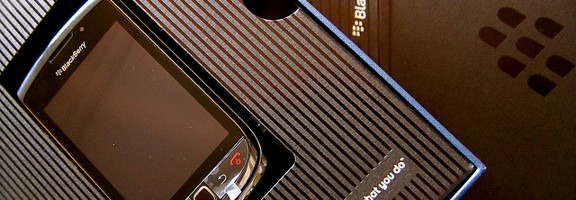
The Blackberry Torch is a sincere attempt on behalf of RIM here to break away from the closed “business user” market and enter the mainstream with a phone that expresses all the personality of a Blackberry, with the usability that is favorable to the mainstream smart phone consumer.

The phone is unsurprisingly weighty at 161g as it is, after all, a Blackberry. The solid chassis measuring 111x62x14.6mm houses a 3.2” screen that caters for even the most demanding of users. The external design and weight have characteristics that are common with most Blackberry phones and it is obvious that the company has stuck with what it knows works as far as this area is concerned.

It is upon closer inspection of the interface and software that the user really comes to understand Blackberry’s conceptual development. The inclusion of the old QWERTY keyboard, also common to Blackberry design, and the touch screen capability is the first aspect to draw the users attention and brings the handset in line with other mainstream competitors.

With an operating system similar to that of the HTC Desire, the Torch isn’t a weak contender in the smart phone market. The 624MHz processor on the Blackberry OS 6.0 system would satisfy any user running social media apps, viewing videos and listening to music.

Like the Nokia N8, the Blackberry Torch is a break through phone designed, as a hand set that will draw RIM into the mainstream market, so for that reason it is understandable that some of the operating features do not quite meet the spec of the market leaders. However, this phone offers a real step in the right direction for Blackberry technology and design, and offers plenty of new features that would keep any Blackberry lover happy.

It will be interesting to see how Blackberry react to the popularity of this handset and how that will sway their design decisions in the future.

Find out more about the Blackberry Torch online at Dial-A-Phone where you can read the latest review highlighting all of its fantastic features.

Photo by Enrique Dans


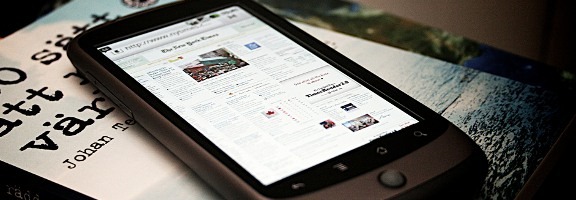
[Sponsored Post] Google Nexus S Review

nexus s

This is a sponsored post written by the sponsor, Phones 4u.co.uk.  Please click here for more information on sponsored posts on 40Tech.

Possibly one of the most innovative handsets of 2010, the Google Nexus S simply oozes with potential and expresses the capability of inciting a revolution in the smart phone arena.

As Google have been experimenting somewhat with the Android system, the Nexus S, being their latest release, is the first phone to sport the Android 2.3 Gingerbread OS. The excitement of a new operating system designed by the reputable communications giant proved to create a lot of hype around the software.

Many were not disappointed as the release date came and went with many consumers feeling happy about purchasing this phone.

With its Super AMOLED screen measuring a mammoth 4” and beaming from the front of the chassis at 480x800px, the Nexus arrests the user’s attention as soon as it is switched on. The interface fails to disappoint as it retains the attractive qualities of the rest of the handset and is structured for the most logical use.

The connectivity and web surfing capability of this phone is also second to none, and most would argue it shouldn’t be, as it is a Google phone. As far as processor speed is concerned this handset also contends with those at the higher end of the market with 1GHz driving the whole Gingerbread OS.

Unfortunately, the memory is not expandable but comes with a 16GB standard, which should keep any media user happy.

Possibly the one stand out aspect of this phone is its capability to be much more than a standard smart phone. It is the first handset to flirt with the idea of technology that gives it the potential to be used as a cash-card or even transport card, something that may take a while to catch on in the UK but has enjoyed popularity elsewhere in the world.

Find out more about the latest mobile phones today at the Phones4u website and browse their fantastic offers.

Photo by Johan Larsson